Wednesday, August 15, 2012

Cats don't Prefer Sweets

Cats taste the world very differently than humans

One thing that I found fascinating during my undergraduate studies was my Modern Biology class. It involved learning about and implementing numerous techniques that are rather new to the field of biology. Thanks to this class, I isolated a number of different cell components, ran various biological molecules through a gel electrophoresis machine, and performed polymerase chain reaction. I also took my own DNA and prepared it for sequencing, which involved refining and isolating the material, cutting out the gene we wanted to look at, then replicating it so that it could be sent off for the actual sequencing process to be performed.

The gene that we looked at was one of the two that go into making the receptors on your tongue that register sweetness. Specifically, the TAS1R2 (taste receptor, type 1, member 2) gene. TAS1R2 must join up with a second protein to signal that sweet flavor. Here is the TAS1R2 gene (specifically, my copy) in its three hundred fifty-five nucleotide entirety: 
GCTGCGTACCACACCCAGCGCCGACCACCACATCGAGGCCATGGTGCAGCTGATGCTGCACTTCCGCTGGAACTGGATCATTGTGCTGGTGAGCAGCGACACCTATGGCCGCGACAATGGCCAGCTGCTTGGCGAGCGCGTGGCCCGGCGCGACATCTGCATCGCCTTCCAGGAGACGCTGCCCACACTGCAGCCCAACCAGAACATGACGTCAGAGGAGCGCCAGCGCCTGGTGACCATTGTGGACAAGCTGCAGCAGAGCACAGCGCGCGTCGTGGTCGTGTTCTCGCCCGACCTGACCCTGTACCACTTCTTCAATGAGGTGCTGCGCCAGAACTTCACTGGCGCCGTGTGG
...not really that interesting.

This is your average TAS1R2 gene for Homo sapiens, nothing special. Just about every human out there has this exact sequence, with few exceptions (one of my classmates, for example, had a single point mutation). However, it is one gene crucial to why humans like sweets so much. This is what the gene looks like after it's been translated into its protein form (the letters are standard for amino acids):
Query  2    LRTTPSADHHIEAMVQLMLHFRWNWIIVLVSSDTYGRDNGQLLGERVARRDICIAFQETL  181
            LRTTPSADHHIEAMVQLMLHFRWNWIIVLVSSDTYGRDNGQLLGERVARRDICIAFQETL
Sbjct  82   LRTTPSADHHIEAMVQLMLHFRWNWIIVLVSSDTYGRDNGQLLGERVARRDICIAFQETL  141

Query  182  PTLQPNQNMTSEERQRLVTIVDKLQQSTARVVVVFSPDLTLYHFFNEVLRQNFTGAVW  355
            PTLQPNQNMTSEERQRLVTIVDKLQQSTARVVVVFSPDLTLYHFFNEVLRQNFTGAVW
Sbjct  142  PTLQPNQNMTSEERQRLVTIVDKLQQSTARVVVVFSPDLTLYHFFNEVLRQNFTGAVW  199 
This is a comparison showing my own protein versus the average human. It's a perfect match and codes for a fully functional receptor protein. This gene is seen in a very wide variety of different animals, and the shared genetic material is quite astounding, allowing for countless species to have the ability to taste sweetness.

A cat enjoying a fresh fish

So, why am I talking about humans a post about cats? Well, let's compare the sequence above to the equivalent gene in a cat. The "query"line is the human gene again, and the "sbjct" or subject line is the equivalent gene in Felis silvestris catus.
Query  2    LRTTPSADHHIEAMVQLMLHFRWNWIIVLVSSDTYGRDNGQLLGERVARRDICIAFQETL  181
            LRT P+ +H   AM  ++ +FRWNW+  + + D YGR   +   E    RDICI F E +
Sbjct  184  LRTIPNDEHQATAMADIIEYFRWNWVGTIAADDDYGRPGIEKFREEAEERDICIDFSELI  243

Query  182  PTLQPNQNMTSEERQRLVTIVDKLQQSTARVVVVFSPDLTLYHFFNEVLRQNFTGAVW  355
                 +Q    EE Q++V ++   Q STA+V+VVFS    L     E++R+N TG +W
Sbjct  244  -----SQYSDEEEIQQVVEVI---QNSTAKVIVVFSSGPDLEPLIKEIVRRNITGRIW  293
Cat tongue anatomy
Overall, the genes are fairly similar, but with one major difference. I'm not going to get too complicated with this, but the dashes you see indicate amino acids that are absent in the final protein found in cats but present in humans: a deletion. Changes in a protein don't necessarily result in a change in its functionality, but that deletion is enough to result in the cat's protein being non-functional. Since the protein cannot bond to molecules of sugars or sweeteners, cats simply cannot register the sensation of sweetness. This deletion seems to be unique to the cat family, since other carnivores, such as dogs and bears, have a functioning gene. From what I remember, big cats have this non-functioning gene as well, but it isn't known whether or not the cat allies (such as civets and genets) share this unusual feature.

Though cats aren't able to taste sweetness, this doesn't mean they will avoid it. They are, in fact, completely indifferent to the flavor. So, if your kitty likes something sweet, it's probably going after something other than the sugar. They're quite fond of certain amino acids, so it's possible that's what your kitty enjoys.

Sources Basic Local Alignment Search Tool (BLAST), PLOS Genetics, Journal of Nutrition, and GeneCards. Images are from Wikimedia Commons under Creative Commons licenses: one, two, three.

By the way, BLAST is an amazing tool. Feel free to plug in the ATCG sequence above into their databases to compare the gene for yourself. The programs I used for this post are nucleotide blast and blastx.

Tuesday, August 14, 2012

Good to be Back!

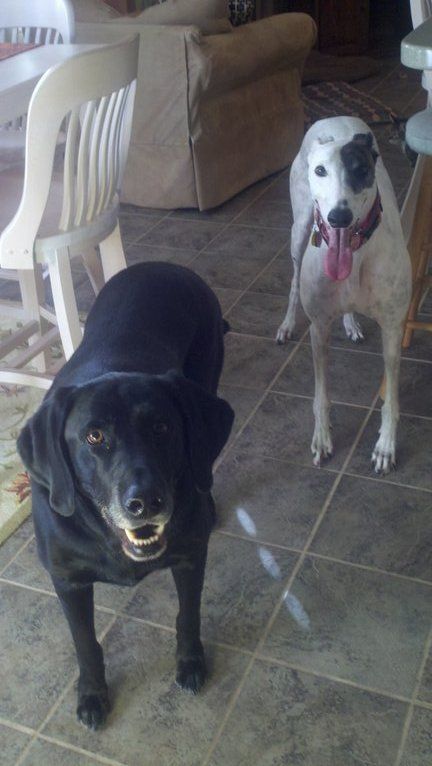
The boys after a little time running around in the heat.
Indeed, it feels good to be back! I'm doing better and have been feeling the urge to write for the past three days. However, I made myself stick to my plan to take two weeks off.

What happened while I was gone? Not too much, really. My parents came home, so Siggy left about a week or so ago. I went bowling, did some cleaning, did some shopping for pet things. Taught Ebon a new trick. Broke a terrarium. Cooked and ate some good food. Learned the downsides of having a dog in the front seat of my car (may tell a story about that later). Now for some pictures from the past two weeks, some more interesting than others.

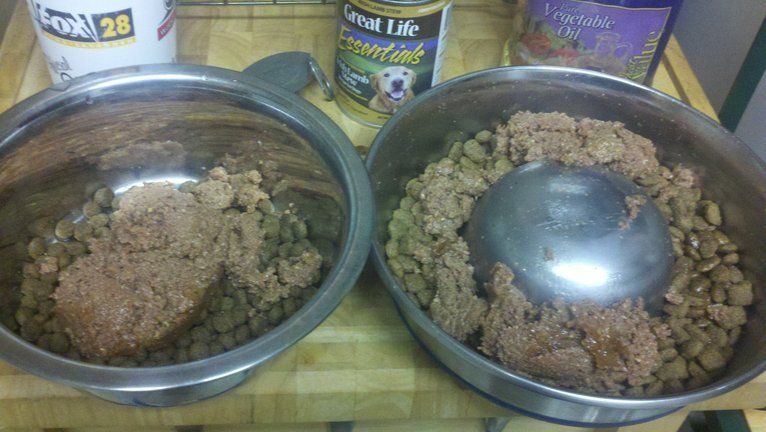
Splitting some canned food (Great Life Essentials Irish Lamb Stew) between the boys. Good stuff! Ebon's kibble is Go! Natural Grain Free Endurance (formula is being discontinued, review to come). Siggy's kibble is Iams Healthy Naturals Chicken (average quality food, but fits Siggy's need for lower protein content, may review later).
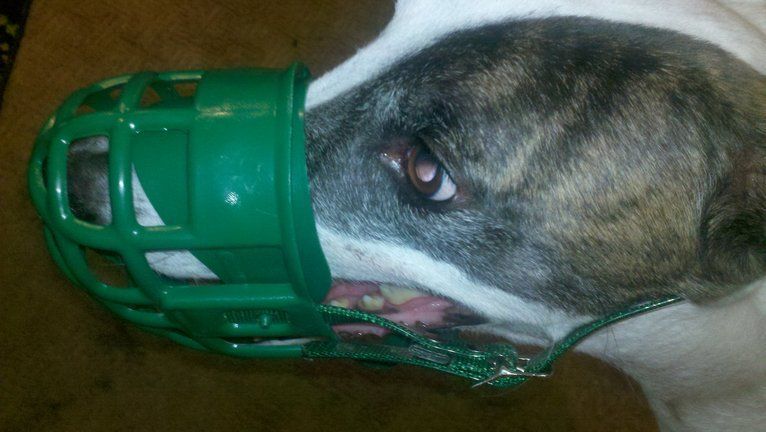
Siggy is his muzzle during a pedicure. He's paw shy, but a combination of the muzzle and lots of treats made it easy
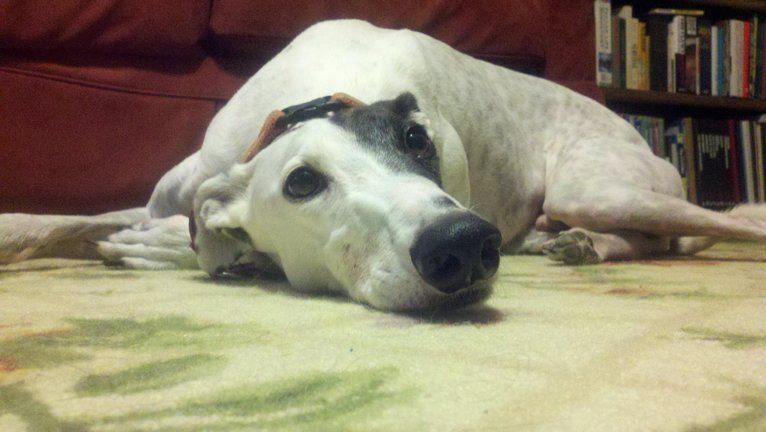
This guy is too cute
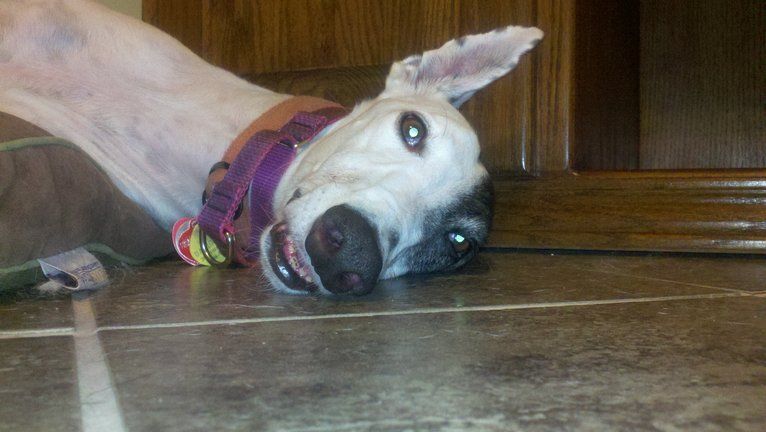
And I'll miss his derp face
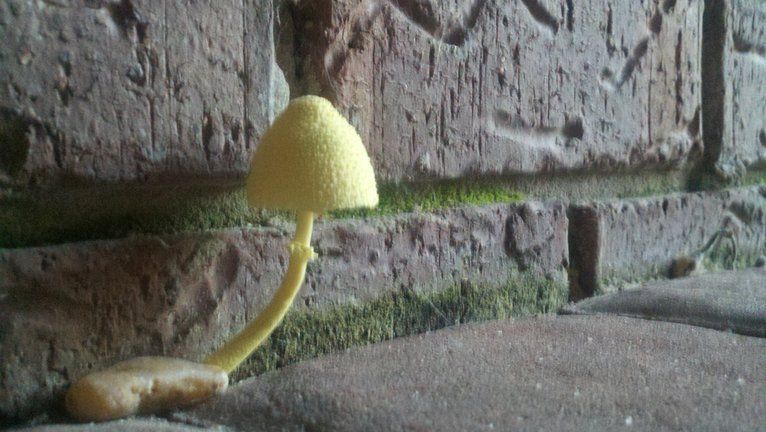
It's been raining a ton, so some beautiful mushrooms are popping up!
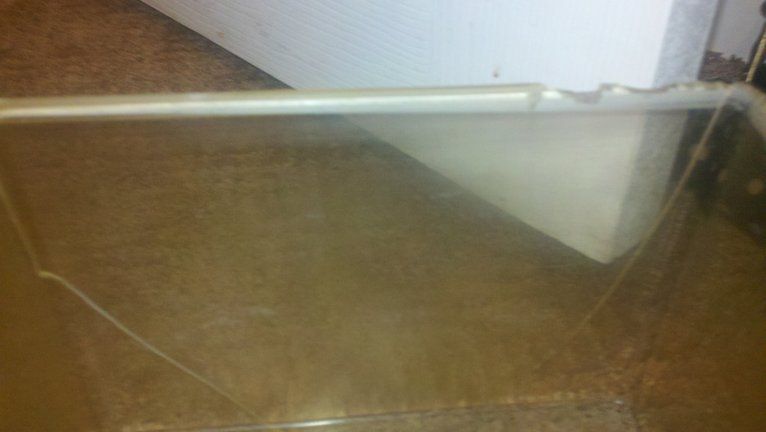
The broken terrarium. I've been keeping them up high since I lost the roaches. Had to move things and they fell. The big one was fine, but the small one shattered!
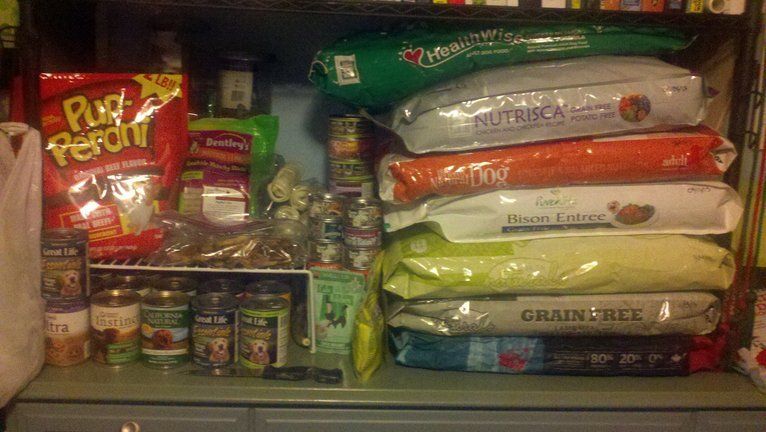
My rather large collection of pet supplies. I'm set for quite a while! Mostly for Ebon, but the Pup-Peroni was Siggy's and the little cans and some other things are for my brother's very old, very picky cat. The knife is for hacking dog chews into smaller pieces
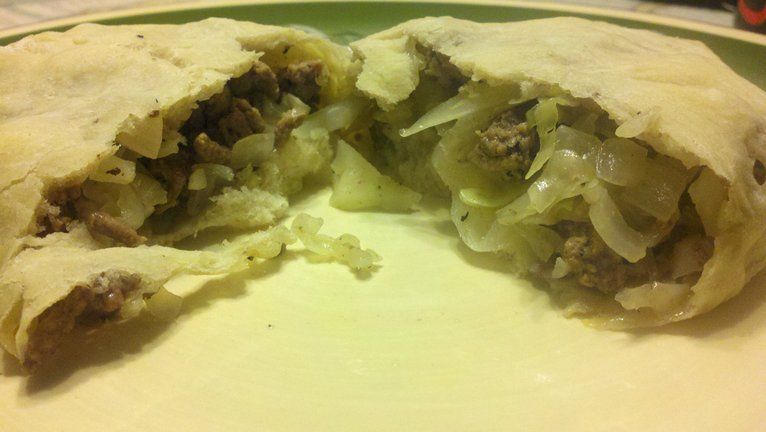
Human food! A favorite family recipe for runzas (a "peasant food" originating in Russia that is common in many parts of Europe, including Poland and Germany). Our recipe involves ground beef, cole slaw mix (green and red cabbage with carrots), onion, garlic, salt, and pepper wrapped in pizza dough; but many other recipes involve such things as sauerkraut. When we're feeling lazy, we serve the filling over rice.
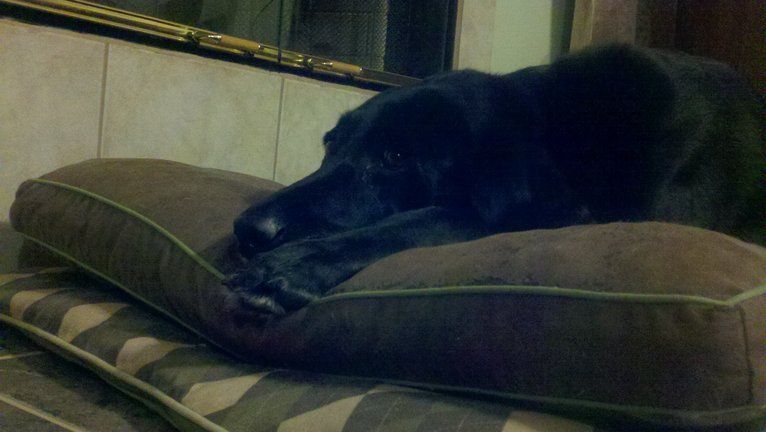
Ebon missing Siggy. He's over it now, lol.
I'll be posting something else soon! I'll also be going through my comment backlog.

Wednesday, August 1, 2012

Taking Two Weeks Off

I need a break.

I still wish to maintain this blog as very much not being about me, but about dogs and science and things of that sort. In some ways the blog has become more of a chore than it was in the beginning, which is what I never wanted it to become. This is mainly due to reasons that I wish not to discuss here. So, I won't be discussing why I need this break so badly, but mainly it's a need to step back and sort a number of things out, including managing my stress levels.

So, dear readers, I will be back. Until then, I wish you a good August.